
AI turned Samsung into a $1 trillion company. Its workers want a bigger slice of the pie
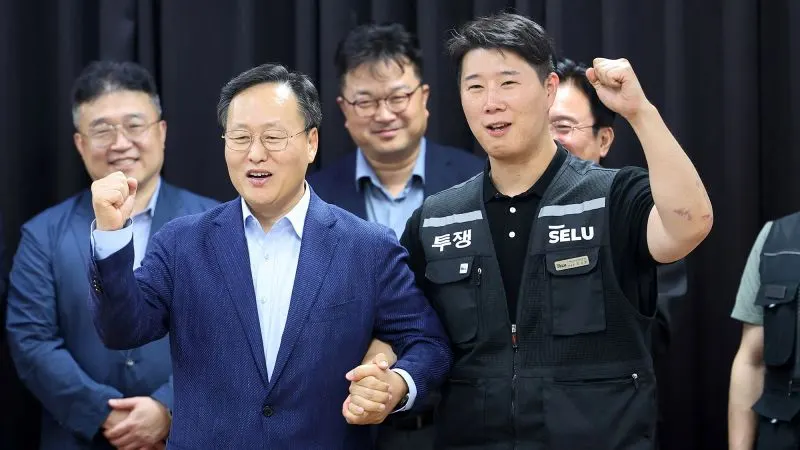
Samsung Electronics has reached a tentative pay agreement with its labor unions, narrowly averting what would have been the largest strike in the company’s history. The deal, which still requires a vote by union members, comes as the South Korean tech giant navigates a massive surge in demand for semiconductors driven by the global artificial intelligence boom. This growth has propelled Samsung to a $1 trillion valuation, making it a critical pillar of the South Korean economy.
Averting a Production Crisis
The threat of a walkout by more than 48,000 employees—nearly 40% of the company’s Korean workforce—had rattled both the South Korean government and the global tech industry. Samsung is one of the world’s three primary memory chip makers, and any disruption to its production could have had severe consequences for the national economy, which relies on the company for more than 12% of its GDP. Prime Minister Kim Min-seok warned that a strike would leave "deep scars" across the country.
The potential for a production halt was particularly concerning given the acute global shortage of memory chips, which are essential for AI hardware produced by companies like Nvidia and AMD. While a court injunction had already mandated that workers involved in safety operations maintain normal staffing levels, the tentative deal provides a reprieve for the supply chain, which analysts expect to remain constrained through 2028.
The Battle for Compensation
The labor dispute was fueled by a desire among workers to secure a larger share of the company’s record-breaking profits. Samsung reported quarterly profits that were more than 8.5 times higher than the same period one year ago. Employees were particularly motivated by the compensation structure at rival chipmaker SK Hynix, which recently scrapped its bonus cap and began allocating 10% of annual operating profit to an employee bonus pool.
Under the tentative agreement reached on Wednesday, Samsung has agreed to remove its existing bonus cap and allocate 10.5% of business performance profits to bonuses for the semiconductor division. The union had previously argued that such changes were necessary to retain top talent in a competitive global semiconductor market where foreign firms and domestic rivals are aggressively recruiting engineers.
AI and Economic Polarization
The standoff at Samsung has ignited a broader national debate regarding wealth distribution in South Korea. Labor advocates note that the AI boom has created an "extreme form of hyper-polarization," where workers at major conglomerates enjoy record payouts while many others lack basic job security.
As the tech industry continues to shift resources toward AI, the pressure on the workforce remains high. While companies like Meta, Amazon, and LinkedIn have announced significant layoffs to pivot toward AI, Samsung’s employees have successfully leveraged the company’s reliance on their specialized labor to secure a new pay structure. Whether this agreement will fully satisfy the workforce remains to be seen, as the final outcome rests on the upcoming union member vote.