
China-led team develops AI system to track radar-disrupting space hurricanes
A China-led research team has developed a new artificial intelligence system designed to automatically detect and track space hurricanes. This phenomenon, which occurs in the Earth’s upper atmosphere, can cause significant disruptions to radar, radio communications, and satellite signals. The development of this deep-learning technology marks a shift away from the previous, labor-intensive method of manually reviewing satellite imagery to identify these events.
Understanding space hurricanes
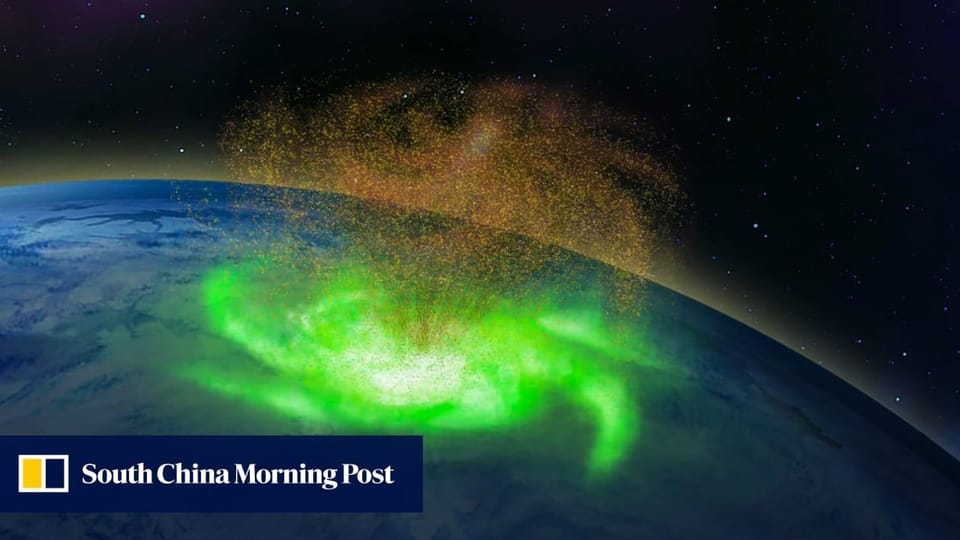
According to a paper published in the peer-reviewed journal Space Weather on May 23, a space hurricane is a recently discovered weather event that manifests as a massive, spinning aurora near the Earth’s magnetic poles. The phenomenon derives its name from the tropical cyclones found in the north Atlantic and northeastern Pacific, which are categorized as typhoons in the northwestern Pacific.
These atmospheric events are capable of creating major space weather effects. Because of their potential to interfere with critical communication and navigation infrastructure, the ability to monitor them effectively is a priority for researchers studying the upper atmosphere.
Automating the detection process
The research team created a deep-learning system capable of automatically detecting and pinpointing space hurricanes using ultraviolet images. By automating the identification process, the system removes the need for the tedious manual analysis that has historically been required to track these events.
The team stated that this new AI tool is intended to be used to analyze data collected from a newly launched China-Europe satellite. By integrating this technology into satellite operations, researchers aim to improve the efficiency and accuracy of monitoring space weather phenomena as they emerge.