
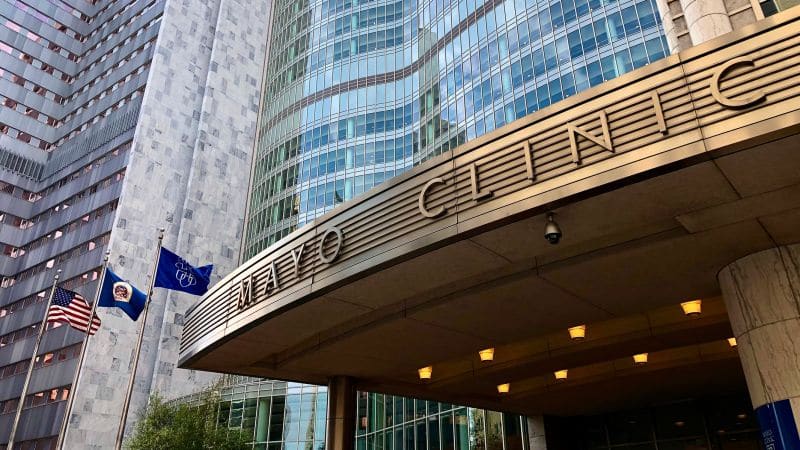
The Mayo Clinic is integrating artificial intelligence into its clinical workflows to streamline patient care, reduce administrative burdens on staff, and improve early disease detection. As one of the world’s most prominent hospital systems, the institution is currently deploying approximately 150 AI models to assist with tasks ranging from summarizing complex medical records to identifying early warning signs of life-threatening illnesses. The original reporting from cnn.com provides the source detail behind this update.
Streamlining Clinical Preparation
For physicians like Dr. Alexander Ryu, an internal medicine doctor at the Mayo Clinic, the volume of patient records can be overwhelming, with some patients arriving with hundreds of pages of unsorted documents from external health systems. To address this, the clinic developed an AI tool called Record Time. The system parses through medical records to organize documents chronologically, generate summaries, and enable faster searching. Dr. Ryu reports that the tool saves him between five and 30 minutes of preparation time per patient visit. By automating the sorting of tens of millions of pages of records received annually, the technology allows clinicians to spend more time in face-to-face interactions with patients while ensuring that critical details are not overlooked. For a practical look at improve, VideoUpscale is a useful comparison.
Advancing Early Diagnosis
Beyond administrative efficiency, the Mayo Clinic is leveraging AI for its potential to identify patterns in large datasets that may be invisible to the human eye. In collaboration with firms like Microsoft and Scale AI, the hospital is testing tools designed to detect diseases at earlier, more treatable stages. One ongoing clinical trial is evaluating whether AI can identify patients at risk of pancreatic cancer years before a typical diagnosis, a significant development given that the five-year survival rate for the disease is currently around 9%. The hospital has also successfully utilized AI to analyze heart rhythms to screen for atrial fibrillation, a condition that can lead to strokes and blood clots. Dr. Matthew Callstrom, a radiologist and medical director of the Mayo Clinic’s generative AI program, noted that identifying these conditions early is potentially life-changing for patients. If you want to see this workflow in practice, aisel is a useful comparison.
Balancing Innovation and Oversight
The integration of AI into healthcare is not without challenges, including concerns regarding accuracy and patient privacy. The Mayo Clinic maintains that it is committed to the responsible development and deployment of AI, with processes in place to ensure transparency and compliance. The hospital subjects its AI tools to a rigorous testing process similar to a clinical trial, beginning with small groups under doctor oversight before expanding to wider populations. While some staff members have raised questions about the impact of AI on job security, the hospital reports that these tools are primarily changing the nature of work rather than replacing it. For example, an AI system developed with the nursing team to transcribe patient visits is designed to reduce the time spent on documentation, allowing nurses to focus more on direct patient care. As the technology evolves, the focus remains on maintaining high standards of quality and trust, with doctors retaining the autonomy to choose which AI tools to incorporate into their practice. For a practical look at models, OpenWorker is a useful comparison.