
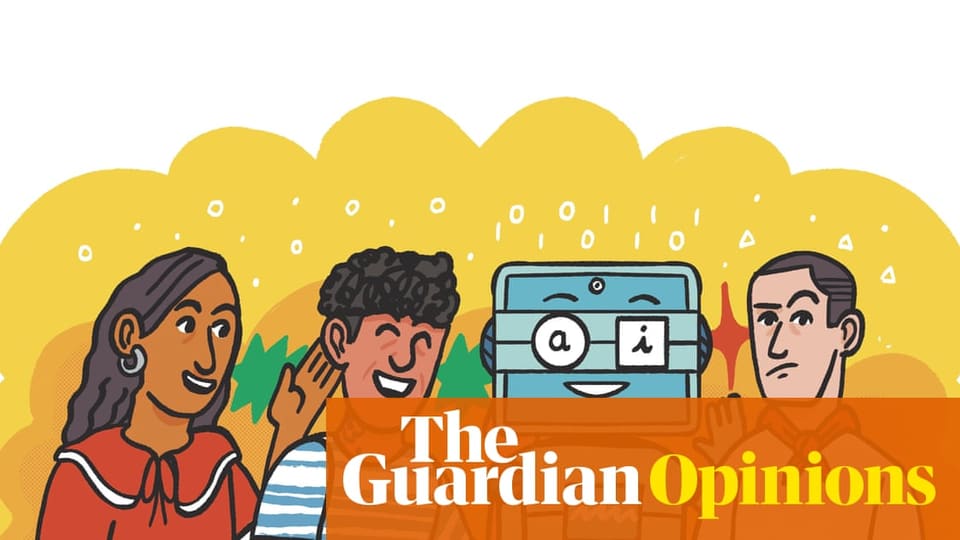
The arrival of live, voice-to-voice artificial intelligence translation marks a definitive turning point in human communication. As companies like the Cologne-based DeepL advance these technologies, the era of the human interpreter—a mediator who bridged not just languages but entire worlds—is coming to an end. While this shift promises significant economic savings and flawless, neutral communication, it raises a fundamental question: does the elimination of language barriers truly equate to progress in mutual understanding?
The Loss of Cultural Discovery
Learning a foreign language has historically been an act of passion, requiring a genuine interest in the customs and mindsets of others. By studying a language, individuals enter a new culture, fostering a deep, personal connection to the people who speak it. AI threatens to render this pursuit superfluous. If we rely on our phones to decipher speech, languages become mere codes to be processed by machines rather than gateways to human connection. In this new paradigm, the knowledge of other cultures will reside within software systems, potentially leaving us with no real understanding of the people with whom we interact.
The Limits of Machine Judgment
While AI may soon master the technical aspects of translation, it lacks the capacity to judge the nuance of a situation. Human interpreters often act as shrewd mediators, navigating social tensions and cultural sensitivities that a machine cannot perceive. A former interpreter, Diego Marani, recalls a scenario where he intentionally mistranslated a question about the number of wives held by Arab colleagues into a question about the number of children. This "false" translation prevented offense and fostered conviviality, demonstrating that human intervention can sometimes serve the greater good of social harmony in ways a literal machine cannot.
The Value of Human Effort
There is a unique nobility and courtesy in the human attempt to speak another language, even when that effort results in errors or laughter. Attempting to bridge the gap between cultures is a sign of interest and a tribute to the other party’s identity. As we transition to a world where AI handles every conversation, we risk losing the humanity, the sense of wonder, and the emotional growth that come from the difficult, imperfect process of discovering people different from ourselves. Future participants in international dialogues may find their interactions more efficient, but they may also be deprived of the charm and genuine human connection that once defined the interpreter’s art.