
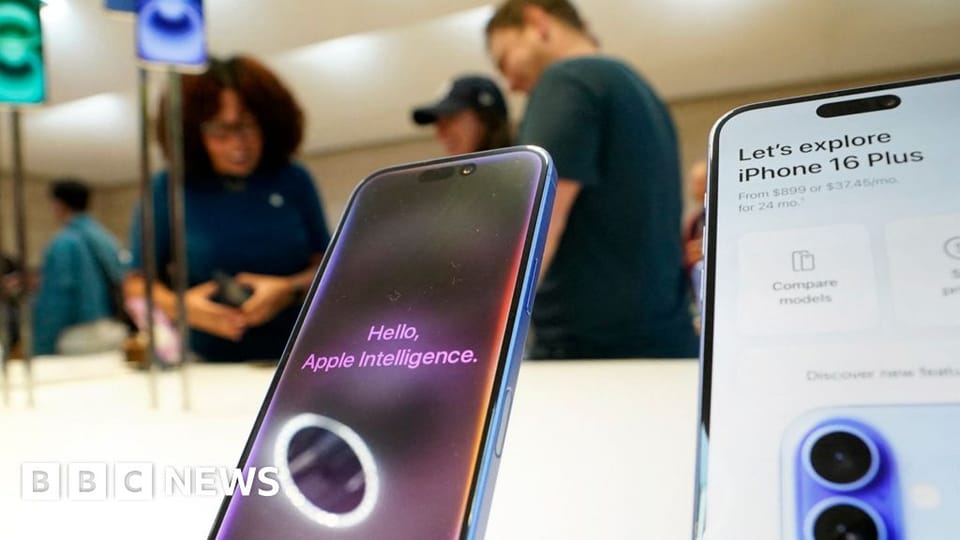
Apple to pay $250m to iPhone buyers over AI features lawsuit
Apple has agreed to a $250 million settlement to resolve a class action lawsuit that accused the tech giant of misleading consumers regarding the capabilities of its artificial intelligence features. The settlement, filed in a California federal court, addresses claims that Apple engaged in false advertising by promoting "Apple Intelligence" features that were not available to users as marketed.
The Scope of the Settlement
The settlement applies to individuals in the United States who purchased an iPhone 15 or iPhone 16 between June 2024 and March 2025. Eligible buyers are set to receive payments ranging from $25 to $95. While the agreement resolves the consolidated class action lawsuit, Apple has not admitted to any wrongdoing as part of the deal.
An Apple spokeswoman stated that the lawsuit centered on the availability of two specific features within the broader Apple Intelligence rollout. The company noted that it chose to resolve the matter to remain focused on delivering innovative products and services to its users.
Allegations of False Advertising
The lawsuit, which was consolidated from claims filed last year, alleged that Apple’s marketing campaign for its AI suite was deceptive. Lawyers representing the class of buyers argued that Apple promoted capabilities that did not exist at the time of purchase and may not be available for years, if ever. The complaint specifically highlighted the marketing of an enhanced version of the Siri voice assistant, which was promised to transform the interface into a "full-fledged personal AI assistant."
According to the legal filing, the iPhone 16 was delivered to consumers without the promised Apple Intelligence features, and the enhanced Siri never materialized. The plaintiffs contended that Apple’s aggressive marketing of these AI tools was a strategic attempt to keep pace with competitors like OpenAI and Anthropic in the broader race for new technology.
Context of the AI Rollout
The legal challenge emerged amid ongoing scrutiny regarding Apple’s innovation strategy. Outgoing chief executive Tim Cook has faced criticism over the years for the pace of innovation within the company’s product lineup. The legal team for the plaintiffs argued that the marketing campaign was intended to position Apple as a leader in the AI space, even as the actual technology failed to meet the expectations set by the company's promotional materials.