
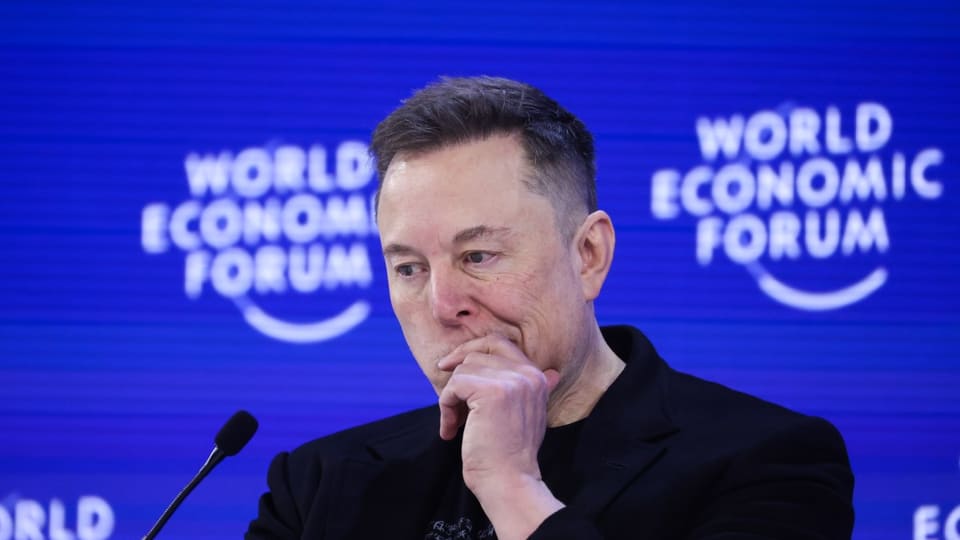
Elon Musk has lost his high-profile lawsuit against OpenAI co-founders Sam Altman and Greg Brockman, as well as Microsoft. A jury of nine in California returned a unanimous verdict, concluding that Musk’s claims were filed after the legal deadline had passed. The decision effectively ends a significant legal challenge that had loomed over OpenAI as it prepares for a reported IPO.
A Statute of Limitations Defense
The trial centered on Musk’s accusations that Altman, Brockman, OpenAI, and Microsoft had "stolen a charity" by establishing a for-profit affiliate of the AI lab. While the proceedings featured extensive testimony regarding the history of OpenAI, the jury’s decision turned on narrow legal questions regarding the statute of limitations.
OpenAI successfully argued that any harms Musk claimed to have suffered occurred before the legal deadlines for filing. Specifically, the defense demonstrated that the alleged grievances took place before August 5, 2021, for the first count; August 5, 2022, for the second count; and November 14, 2021, for the third count. Judge Yvonne Gonzalez Rogers noted that there was substantial evidence to support the jury’s finding, stating she was prepared to dismiss the case on the spot.
Reactions to the Verdict
Following the verdict, OpenAI’s lead attorney, Bill Savitt, characterized the lawsuit as an "after-the-fact contrivance" that lacked a relationship to reality. He further described the legal action as a "hypocritical attempt to sabotage a competitor." Microsoft, which had been sued for allegedly aiding and abetting a breach of charitable trust, welcomed the outcome, stating it remains committed to its partnership with OpenAI to advance AI technology.
During the trial, the judge expressed skepticism toward the financial analysis presented by Musk’s team. When reviewing an expert estimate that suggested OpenAI and Microsoft had gained between $78.8 billion and $135 billion at Musk’s expense, the judge remarked that the analysis appeared "devoid of connection to the underlying facts."
Future Appeals
Despite the loss, Musk indicated he intends to continue the legal battle. In a post on X, he framed the dismissal as a moral victory, maintaining his position that Altman and Brockman enriched themselves at the expense of a charity. Musk confirmed his intention to file an appeal with the Ninth Circuit, arguing that the current precedent could prove destructive to charitable giving in the United States. Musk’s lead counsel, Marc Toberoff, echoed this sentiment, stating simply, "One word: Appeal."