
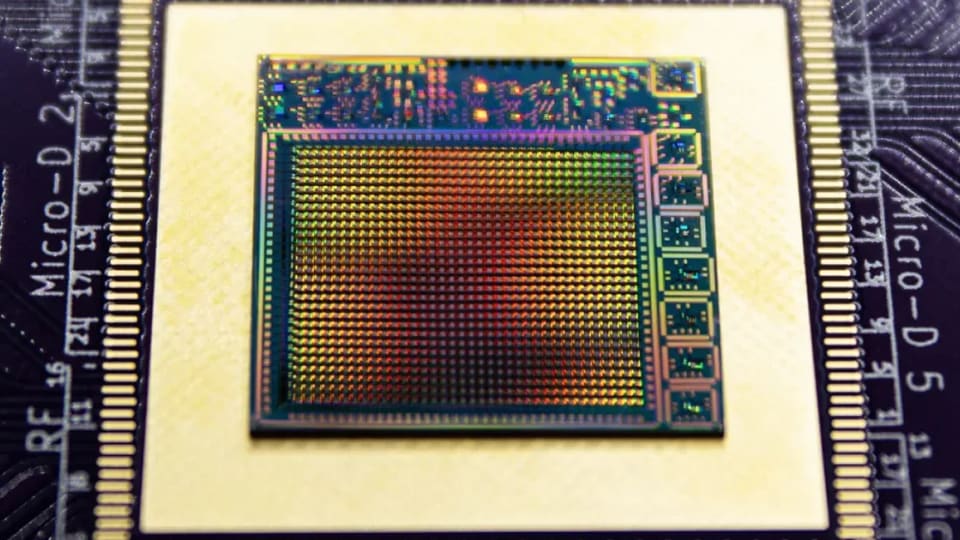
A superconducting chip developed by Brookhaven National Laboratory and collaborators has been tested on recorded fusion-plasma data. Quantum Zeitgeist’s report describes a neuromorphic system intended to identify anomalies and warning signs of disruptions in tokamaks, the magnetic-confinement machines used in fusion research.
What the demonstration actually tested
The team replayed data from the DIII-D tokamak at one million samples per second. According to the report, the chip kept pace while running algorithms intended to flag anomalies and predict disruptions. The chip has not yet been connected to a working tokamak.
That distinction defines the result. Keeping up with a recorded stream demonstrates one part of a possible monitoring system. A complete control evaluation would also need to show how the signal is used, when an intervention arrives and what happens under changing operating conditions. The article does not supply that evidence.
An integrated, specialized design
The report describes memory integrated onto a superconducting circuit and a neural network much smaller than current large language models. The proposed application is a specialized data-processing task, rather than a conversational model answering questions about a reactor.
The source also says the team is still preparing its results for publication. Readers therefore have a reported demonstration, without a published evaluation from which to inspect error rates, operating conditions or the full comparison with existing approaches.
What would make the next result useful
The important next step is evidence about integration: can the system’s warnings support a timely, useful response in an operating experiment? Detection quality, missed events and the response path all matter alongside the rate at which data can enter the chip.
Treat future hardware and integration plans as plans until results are available. This report supports interest in the architecture and its recorded-data test, while leaving the practical effect on fusion monitoring and control unresolved.