
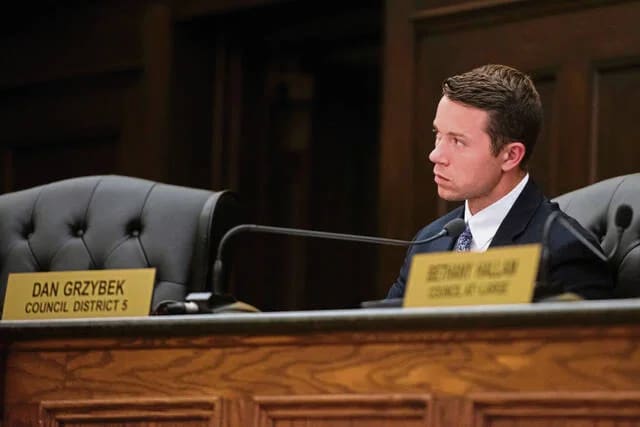
Allegheny County Council has voted to require disclosure of AI-generated or AI-altered advertising in campaigns for county elected office, according to TribLive's October 20 report. The report describes a unanimous vote and a January start for the requirement.
What the reported measure targets
The article identifies the issue as misleading campaign material made or changed with AI. Councilmembers Dan Grzybek and Alex Rose sponsored the legislation. Their stated concern is that voters should be able to recognise when election content has been artificially generated.
The scope matters: the report concerns candidates for county offices. It should not be presented as a rule adopted by every jurisdiction, a national ban on AI political advertising or a prohibition on all uses of AI by a campaign.
Disclosure is different from authenticity
A label can tell a viewer that AI was involved in creating material. It does not, on its own, establish whether every claim in an advertisement is accurate. Conversely, a disclosure rule needs to be understood through its actual wording and coverage rather than a general assumption about what an AI label means.
That is why the newsworthy development is the council's action and the scope reported by the local publisher. A short account should preserve those boundaries instead of turning a local measure into a broad legal conclusion.
What readers should verify
Anyone assessing a particular advertisement or campaign should consult the operative county measure and its current status. The publisher's report is useful for understanding the vote and the concerns behind it; an individual compliance decision requires the actual applicable text.
For ordinary readers, the practical takeaway is to notice both provenance labels and the substantive evidence behind a political message. This article reports the local policy development and does not independently determine whether a specific advertisement would violate the measure.