
A call directed at international decision-makers
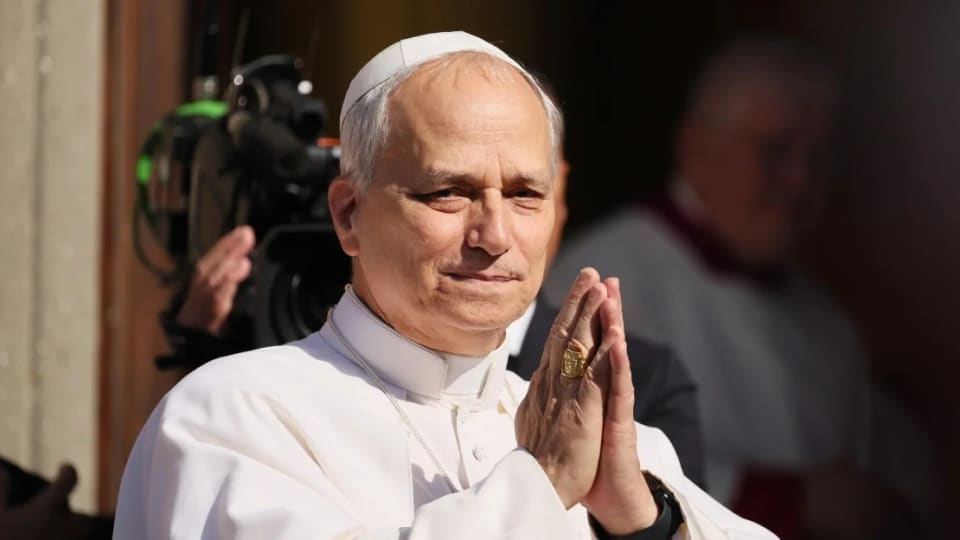
Pope Leo XIV has urged United Nations member states to take steps toward banning lethal autonomous weapons, The Verge reports. The call appears in a papal address ahead of a meeting in Geneva next month.
The address places responsibility on people and institutions developing or using AI. Rather than treating technical capability as sufficient justification for deployment, it argues that humans must retain the ability to guide, change or reject applications. The report presents this as part of the pope’s continuing attention to the human consequences of AI.
Oversight needs a responsible institution
A central distinction concerns who makes decisions affecting human life, freedom and the use of force. The pope argues that these decisions should remain subject to informed and responsible human oversight. He also warns against treating AI systems as persons or granting them legal personhood.
The speech calls for shared standards, independent oversight and accountability mechanisms. Its scope therefore extends beyond whether a person is nominally present in a workflow. It asks how decisions about development and use can be examined and challenged, and how people harmed by those decisions can obtain remedies.
An ethical intervention, rather than an enacted ban
This is a statement of policy priorities and moral responsibility. The reported address does not itself establish a new international prohibition or prove that participating states have agreed to one. Readers should distinguish the requested action from any later negotiation or binding measure.
For organizations following AI governance, the practical question is whether their oversight arrangements identify a responsible decision-maker and permit meaningful intervention. That is a more concrete way to assess the speech’s implications than treating every mention of human control as evidence that accountability has already been established.