
The model enters after the theft
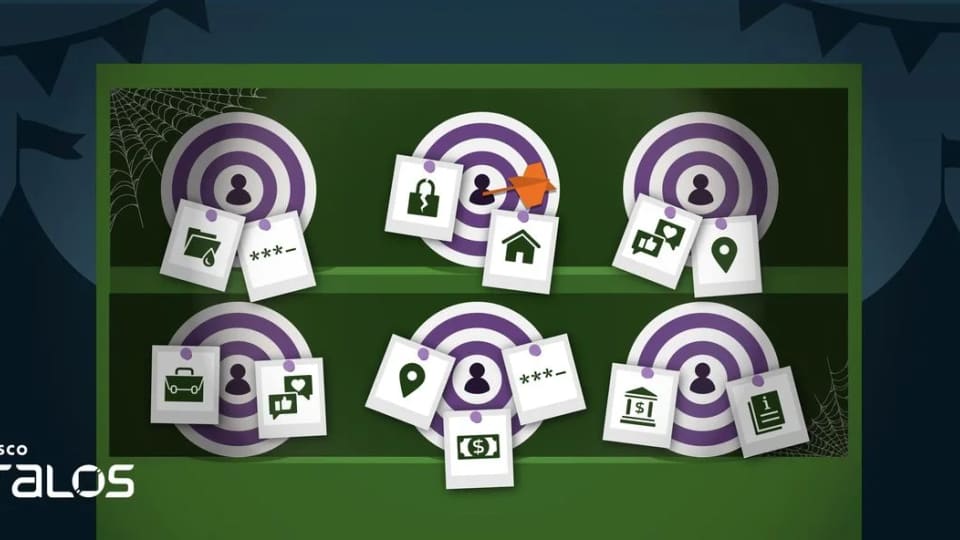
Cisco Talos’s VOLTA report describes a Windows infostealer with an optional AI analysis layer. The malware first collects sensitive information, then sends a structured bundle to a language model to assess and prioritize the victim’s assets.
That ordering matters. The model is not described as creating the initial access by itself. Talos instead identifies a post-theft use of AI: turning a large collection of exposed records into a more focused assessment for the operator.
Ordinary records can become connected intelligence
The report describes stolen credentials, account sessions and financial or identity-related material being combined with additional information available through compromised sessions. The resulting bundle gives the analysis stage more context than an isolated password would provide.
The significance is the combination. Information that appears mundane in one service can become more revealing when related to account access and other records. Talos characterizes the model’s role as an analyst for the operator, rather than an autonomous replacement for the entire malware workflow.
Guardrails are not the only defensive boundary
The researchers also report attempts to use alternative models when a response is refused. That observation shows the operator anticipating restrictions; it does not prove that every attempted model call succeeds or that any particular provider has no protections.
For defenders, the useful implication is to consider the consequences of exposed sessions and aggregated data alongside credential theft itself. Preventing access to the underlying information remains important even when the later analysis uses a model with safeguards. The report documents a particular malware design and its workflow, not a measured prevalence estimate for all AI-assisted cybercrime. This overview focuses on that defensive lesson without reproducing collection instructions, targeting prompts or operational attack code.