
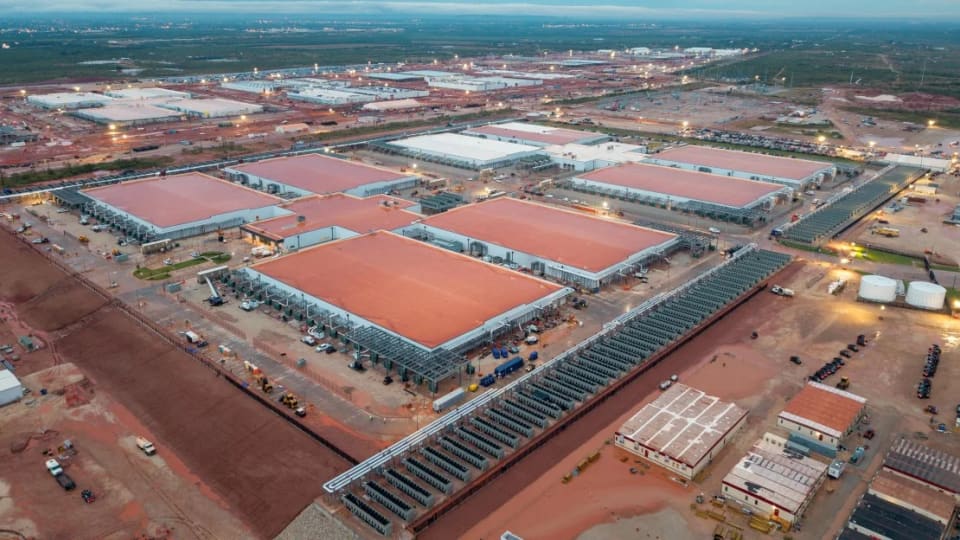
The phrase compute campus has moved from reported rebranding plans into OpenAI's public grid-program announcement, according to The Verge. The report examines the wording alongside concerns about the power, water, noise and local effects of large AI facilities.
What has changed since the earlier reporting
Earlier reporting described plans to use the name AI compute campus as part of a policy and public-relations effort. The new article identifies the language in the announcement of OpenAI's Grid Protectors Program.
That is a narrower, observable development than claiming that facilities have physically changed or that every data center has been renamed. A terminology change and an infrastructure change require different evidence.
The electricity commitments
The reported program begins with an upcoming site in Effingham County, Georgia. OpenAI says it will pay the costs it creates and describes flexibility in demand as part of addressing concerns about local electricity systems.
Those are commitments and descriptions from the company. The wording does not itself demonstrate that a promised resource has been delivered, that a particular bill has fallen or that a facility has already provided emergency support.
Why critics object
The Verge quotes campaigners who argue that renaming a facility does not reduce its environmental footprint or resolve residents' concerns. Their criticism concerns the underlying projects and their effects, rather than the attractiveness of a label.
Keeping that distinction makes the discussion more useful: a community can evaluate a concrete commitment without having to accept either a company's branding or a critic's entire position.
What evidence would matter next
Project-level information about grid connections, costs, water use, noise and actual operating behavior would be more informative than the name alone. For readers following the infrastructure buildout, the new report establishes another use of the terminology and the objections it attracts, while leaving delivery of the program's promises to subsequent verification.