
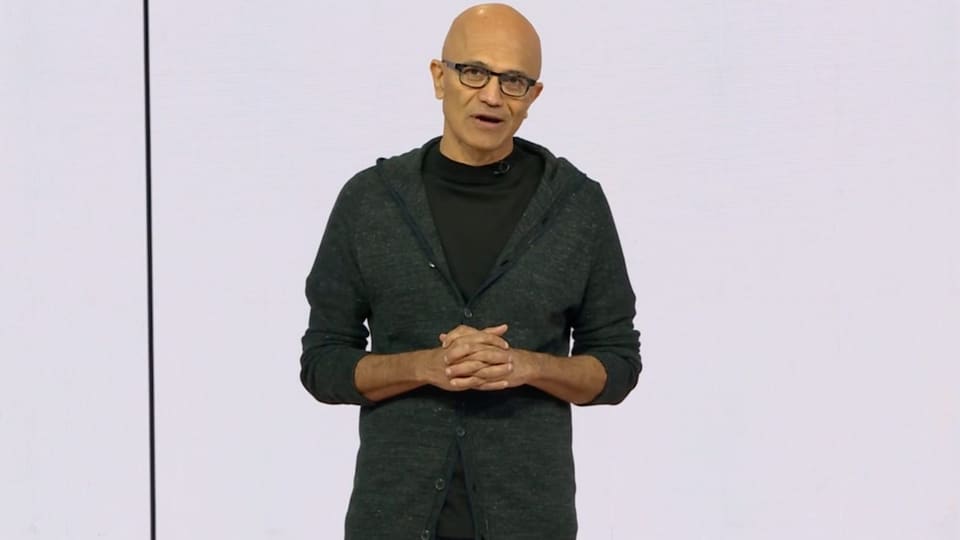
Microsoft unveils new AI models lessen reliance on OpenAI, lower costs
At its Build developer conference, Microsoft announced a series of new generative AI models, marking a strategic move to compete in a market currently dominated by OpenAI, Anthropic, and Google. By introducing its own proprietary models, the company aims to provide alternatives that reduce its dependency on external partners while offering more cost-effective solutions for developers.
Expanding the AI Portfolio
The announcement at the Build developer conference highlights Microsoft’s ambition to capture a larger share of the generative AI sector. By diversifying its offerings, the company is positioning itself to challenge the established market leaders that have historically held significant influence over the industry.
This expansion represents a shift in how Microsoft approaches its AI infrastructure. By developing internal models, the company is working to provide its ecosystem with tools that can operate independently of the technologies provided by OpenAI, Anthropic, and Google.
Reducing Costs and Reliance
A primary driver behind the introduction of these new models is the goal of lowering operational costs. By shifting toward its own generative AI technology, Microsoft intends to create a more sustainable economic model for its services, moving away from the heavy reliance on third-party providers.
This strategic pivot is designed to give Microsoft greater control over its AI roadmap. As the company continues to integrate these models into its broader suite of products, the move is expected to offer developers more flexibility and efficiency, ultimately reshaping the competitive landscape of the generative AI market.