
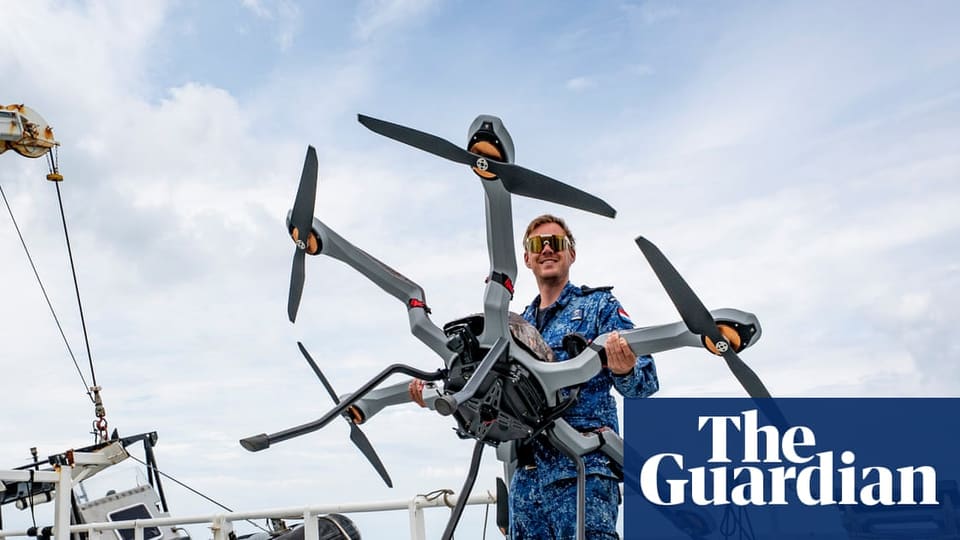
The Royal Netherlands Navy is spearheading a significant shift in maritime defense by integrating uncrewed systems into its operational fleet. Off the coast of Den Helder, the navy has been conducting extensive trials to test a "system of systems" approach, utilizing autonomous vessels, underwater mine mappers, and various drone models to perform tasks that were previously handled by human crews. The original reporting from theguardian.com provides the source detail behind this update.
A New Era of Autonomous Operations
Capt Sjoerd Feenstra, head of the expertise centre for unmanned systems, envisions a future where crewed naval platforms are surrounded by a protective ring of autonomous technology. The Dutch military has committed to a strategy where uncrewed systems will handle more than half of its workload within five years. This transition is designed to keep personnel out of danger zones while managing the increasing speed and volume of information required in modern naval operations. The current testing phase centers on the GeoSea vessel, which serves as a hub for deploying Noa drones, Defender vessels, and Lobster Robotics undersea equipment. This modular design allows the navy to swap in new technology as it advances, ensuring the fleet remains adaptable to evolving security requirements.
Balancing Technology and Human Oversight
While the integration of artificial intelligence is central to this transformation, the navy maintains a strict policy regarding decision-making. Software integration lead Ferdinand Peters emphasizes that while AI can assist in processing data, it must not be allowed to "think" for the operator. The navy maintains that a human will always remain in the decision-making chain, particularly regarding the use of force.
This focus on human oversight addresses long-standing ethical concerns regarding automation in defense. Capt Feenstra notes that the question of culpability remains a critical consideration when automating complex systems. The navy’s approach draws on decades of experience with autonomous air defense, such as the Goalkeeper system, which has been in service for over 40 years. The same autonomous question is explored in Harness-of-Harness, which adds a research perspective.
Strategic Impact and Global Collaboration The Dutch initiative is gaining international attention, with naval analysts noting that the Netherlands is punching above its weight in maritime security. By advancing
these technologies, the Dutch navy is providing a model for other nations collaborating on security in the North and Baltic seas. The Policy & Regulation story also surfaces in NYC schools plan to ban student-facing..., adding another angle.
Beyond tactical advantages, the shift toward uncrewed systems offers potential benefits for personnel. While these systems require a different set of skills—specifically an increased need for engineers—they may help improve the balance of family life for sailors by reducing the length of time spent at sea. As global military powers like the UK also invest billions into similar technologies, the move toward uncrewed maritime defense appears to be a definitive direction for the future of armed forces.