
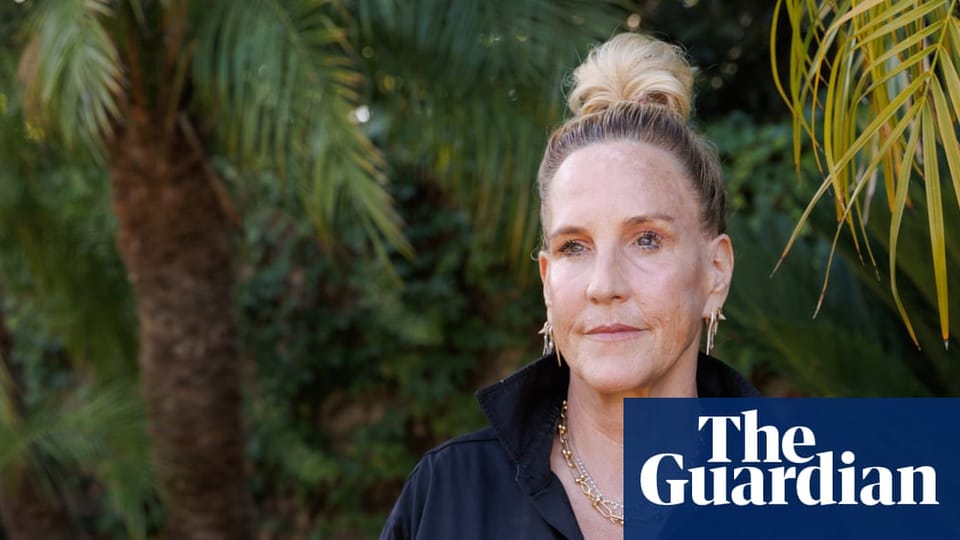
Erin Brockovich, the activist who famously secured a $333m settlement in the 1993 Hinkley water contamination case, has launched a new global campaign targeting the rapid, often secretive expansion of artificial intelligence datacentres. Describing the current wave of construction as "Hinkley on steroids," Brockovich is mobilizing communities across the United States to challenge the environmental and social impact of these massive facilities. The original reporting from theguardian.com provides the source detail behind this update.
A Growing Map of Concern
After putting out a call for information on her website in April, Brockovich received nearly 4,000 responses within a month. She has since compiled an open-source map tracking the proliferation of AI datacentres. As of 24 June, her data shows 33 completed facilities, 68 under construction, and 41 proposed. Many residents report being blindsided by these projects, discovering vast construction sites in their neighborhoods without prior notice or public consultation. The concerns raised by citizens are wide-ranging, covering potential health impacts, the disappearance of local wildlife, and the strain on public resources. In some instances, developers have entered into nondisclosure agreements with local officials, effectively bypassing democratic oversight and environmental-impact assessments. When communities attempt to pause these projects, they are frequently met with lawsuits from developers seeking damages, sometimes exceeding $100m. To see the idea in practice, Vibe Coding is Dead walks through a concrete example.
The Strain on Vital Resources
A primary point of contention is the immense water consumption required to cool these facilities. According to analysis, two-thirds of planned datacentres in the US are located in drought-stricken areas, with larger sites requiring up to 5m gallons of water per day. Residents near these developments have reported significant spikes in their own utility bills, alongside constant noise pollution from generators and cooling systems. Brockovich, who was raised with a deep respect for water stewardship, views this as an existential threat to the balance of nature. She notes that the issue is not limited to the United States; she has been contacted by concerned citizens in Australia, India, Scotland, and Ireland. In Dublin, for example, datacentres were already accounting for one-fifth of the country's electricity usage by 2023. To see the idea in practice, Genspark vs ChatGPT Coding Challenge walks through a concrete example.
Seeking Accountability
Brockovich is advocating for a case-by-case moratorium on datacentre approvals to ensure proper environmental reviews and community input. While 79 municipalities have already issued moratoriums, she emphasizes that the fight requires organized, collective action. She remains focused on a pragmatic approach: demanding transparency from local governments regarding power usage and resource allocation. Despite the immense financial and political power of the tech companies involved, Brockovich remains committed to the cause. She argues that the law still provides a path for accountability, noting that modern settlements can reach into the billions. While she acknowledges she is in her "legacy phase," she insists that she will not walk away from the battle until these forces are held to account. The AI Industry story also surfaces in Microsoft Launches 2.5 Billion Dollar Unit..., adding another angle.