
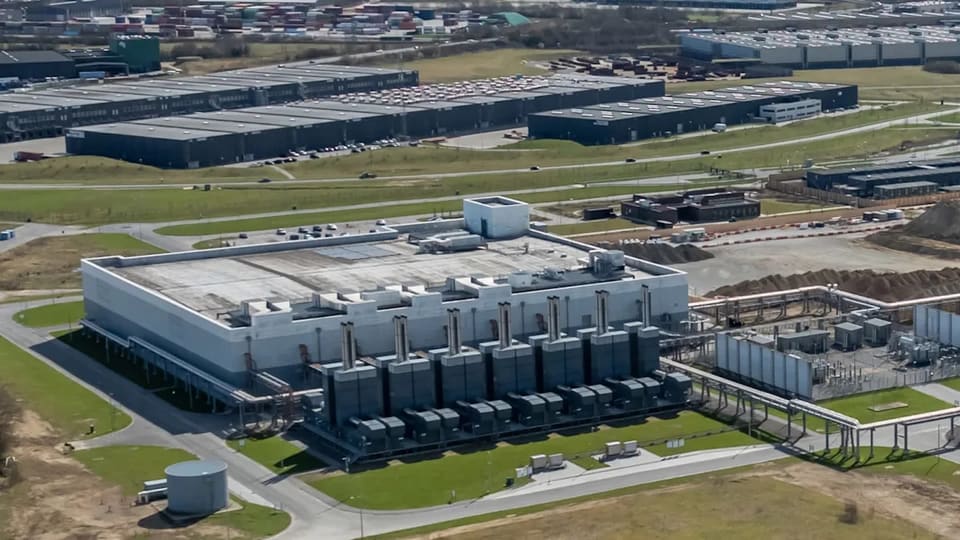
Florida’s rapid expansion of artificial intelligence infrastructure is facing significant pushback, as 20 communities across the state move to ban or freeze new data center projects. The trend, which highlights a growing tension between technological development and local quality of life, has turned Nassau County into a primary test case for the state’s evolving stance on industrial growth. The original reporting from yahoo.com provides the source detail behind this update.
The Nassau County Flashpoint
Nassau County, home to approximately 100,000 residents, became a focal point for this debate following a proposal by energy company NextNRG. In September, the company announced it had secured a 1,600-acre lease in the county, with 400 acres earmarked for a potential hyperscale data center. The announcement triggered immediate opposition from residents who feared the facility would disrupt the area’s quiet, rural character. The backlash was swift, manifesting in online forums and at county commission meetings. By April, NextNRG CEO Michael Farkas indicated the company had shifted its plans to pursue a solar farm instead of a data center. Following this, county commissioners approved a one-year pause on data center projects to allow for a comprehensive evaluation of their potential impacts on the community. For a practical look at artificial, VideoUpscale is a useful comparison.
Infrastructure and Environmental Concerns
The resistance in Nassau County mirrors a broader debate throughout Florida regarding the physical demands of AI. While AI tools offer potential benefits for grid efficiency and utility demand forecasting, the data centers required to power these technologies consume vast amounts of water and electricity. Residents and local leaders have raised alarms that these facilities could strain local infrastructure, increase utility costs, and cause environmental damage. Margaret Kirkland, chair of the conservation group Conserve Nassau, noted that the primary driver of the opposition is a desire to protect local quality of life. For many, the prospect of a massive facility in a rural setting represents an unacceptable trade-off. This sentiment has reached the highest levels of state government, with Gov. Ron DeSantis backing legislation passed this year that targets data centers with high electricity and water consumption. The AI Industry story also surfaces in Meta to Build 50 Billion Dollar..., adding another angle.
A Shifting Political Climate
The legislative and local pushback is already altering the landscape for developers. NextNRG’s CEO stated that the company intends to focus on areas that are more open-minded toward data center facilities rather than attempting to force projects through resistant communities. Industry representatives are also taking note of the changing environment. Dan Diorio, vice president for state policy at the Data Center Coalition, suggested that the combination of legislative action and comments from Gov. DeSantis has created uncertainty for developers. As more communities move to implement bans or freezes, the future of Florida’s AI infrastructure boom remains in question. For a practical look at artificial, OpenWorker is a useful comparison.