
Florida community first to install AI robotic beehives to save colonies
The Angeline development in Land O' Lakes, Florida, has become the first master-planned community to deploy Beewise’s automated BeeHome system. This integration of robotics, sensors, and artificial intelligence is designed to monitor hive health and protect bee populations from environmental threats that currently jeopardize the U.S. food supply.
Protecting a Critical Pollinator
Bee populations across the United States face significant pressure from pesticides, parasites, disease, and extreme weather conditions. As these pollinators are responsible for roughly 75% of the crops consumed by humans and about 80% of flowering plants globally, their decline poses a serious risk to agricultural stability. The Angeline community relies on these bees to pollinate a 2.5-acre farm that supplies produce for the development.
How the Robotic System Functions
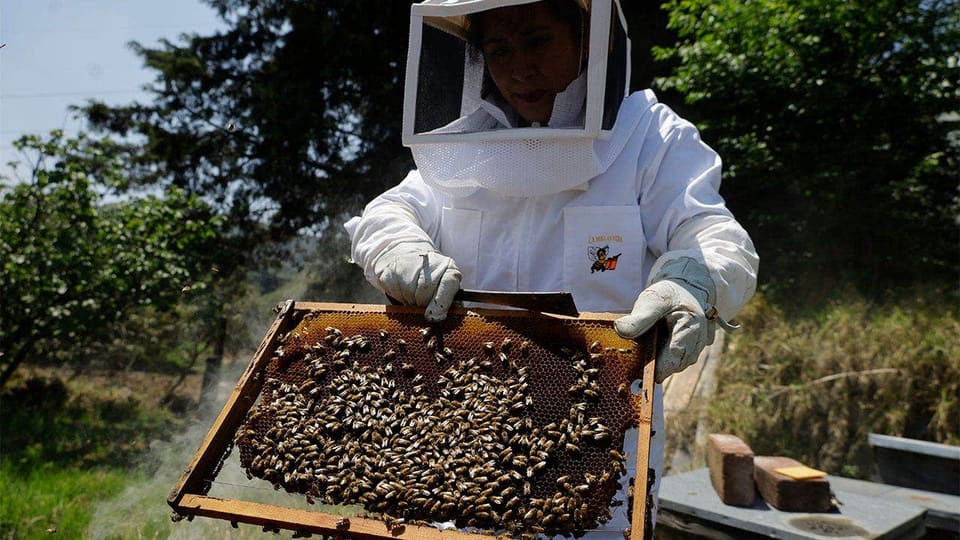
The BeeHome system utilizes internal cameras and robotic components to perform tasks that traditionally required manual beekeeper oversight. The technology can identify issues within the hive, inspect frames, and report data back to technicians globally. According to Beewise Managing Director Steve Peck, the robotics are capable of navigating the hive to perform inspections just as a human beekeeper would.
Combating Colony Collapse
One of the primary threats to honeybee populations is the varroa mite. The BeeHome system is designed to detect infestations and respond automatically. By moving bees to a different part of the hive and adjusting the temperature, the system can kill mites without harming the bees. This automated intervention has demonstrated a 70% reduction in colony collapse compared to natural outcomes observed globally.
Supporting Traditional Beekeeping
While the technology is already operational across hundreds of thousands of acres of agricultural land nationwide, project officials emphasize that the system is intended to support rather than replace traditional beekeeping practices. Lisa Gibbings of the Metro Development Group noted that the technology provides a necessary safeguard against the daily risks bees face from the elements and pesticides. The initiative adds to a growing national focus on pollinator health, which has included expanded beekeeping efforts at the White House.