
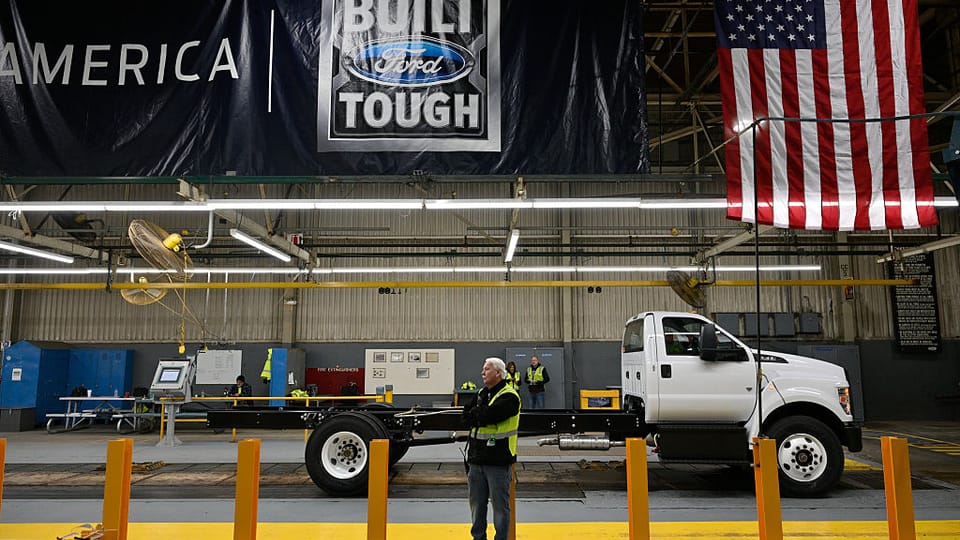
Ford has rehired 350 veteran engineers, a group the company refers to as "gray beard" engineers, following disappointing results from its reliance on artificial intelligence and automated quality systems. The move marks a strategic shift for the automaker, which had previously leaned heavily on automation to manage vehicle quality, only to find that the technology failed to meet the company's standards. The original reporting from techcrunch.com provides the source detail behind this update.
The Limits of Automation
Ford executives acknowledged that the company’s previous strategy of relying on automated systems for quality control did not yield the expected outcomes. Chief Operating Officer Kumar Galhotra explained that the company had been increasingly dependent on these automated processes, leading to unsatisfactory results. Charles Poon, Ford’s vice president of vehicle hardware engineering, noted the miscalculation, stating, "Mistakenly we thought that by just introducing artificial intelligence and ingesting the design requirements that we had, that that would produce a high-quality product." To address these shortcomings, the company brought back technical specialists tasked with identifying failure points in vehicle parts before they reach the plant floor. The AI Industry story also surfaces in Meta pulls Instagram AI image generator..., adding another angle.
A Hybrid Approach to Engineering
The decision to bring back experienced personnel does not signal an abandonment of Ford’s AI initiatives. Instead, the company is integrating these veteran engineers into its existing workflow to refine its technological approach. These rehired experts are currently working to train younger staff members and are actively involved in reprogramming the company’s AI tools. For a practical look at Image Generation, Easyfaceswap is a useful comparison.