
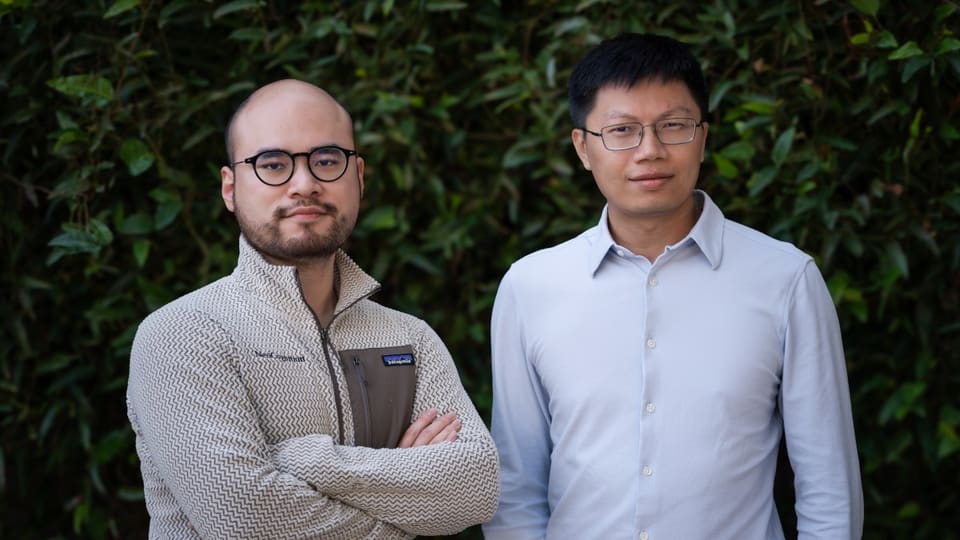
NeoCognition, an AI research lab founded by Ohio State professor Yu Su, has emerged from stealth with $40 million in seed funding. The startup aims to move beyond the current generation of unreliable AI agents by developing systems capable of autonomous, human-like specialization across any professional domain.
The funding round was co-led by Cambium Capital and Walden Catalyst Ventures. Additional participants include Vista Equity Partners and notable angel investors, such as Intel CEO Lip-Bu Tan and Databricks co-founder Ion Stoica.
Addressing the Reliability Gap
Yu Su, who initially resisted pressure from venture capitalists to commercialize his academic research, decided to launch the startup after observing that foundational model advancements could enable truly personalized AI. According to Su, the current landscape of AI agents—including tools from Claude Code, OpenClaw, and Perplexity—functions primarily as generalists that succeed in completing tasks only about 50% of the time.
Because these agents lack consistency, Su argues they are not yet ready to serve as independent workers. NeoCognition intends to bridge this gap by creating systems that learn autonomously to master the rules, relationships, and consequences of specific environments, much like a human professional would.
A New Approach to Specialization
NeoCognition’s core philosophy is that the power of human intelligence lies in the ability to specialize. While existing autonomous agents often require custom engineering for specific verticals, NeoCognition is building generalist agents designed to self-learn and build a "world model" for any given micro-world.
Su believes this capacity for rapid specialization is the critical missing link required to make AI agents reliable enough for independent work. By enabling agents to learn autonomously, the company aims to provide a more robust alternative to the current "leap of faith" approach required when deploying general-purpose AI.
Enterprise Strategy and Growth
The company plans to sell its agent systems primarily to enterprise clients, including established SaaS companies looking to enhance their product offerings or build autonomous agent workers. The involvement of Vista Equity Partners is expected to be a strategic asset, as the firm’s vast portfolio of software companies offers NeoCognition direct access to potential customers looking to modernize their technology with AI.
NeoCognition currently operates with a team of approximately 15 employees, the majority of whom hold PhDs. The startup is positioning itself to transform how businesses integrate AI by shifting the focus from broad, inconsistent generalists to highly capable, self-learning experts.