
Soonlab
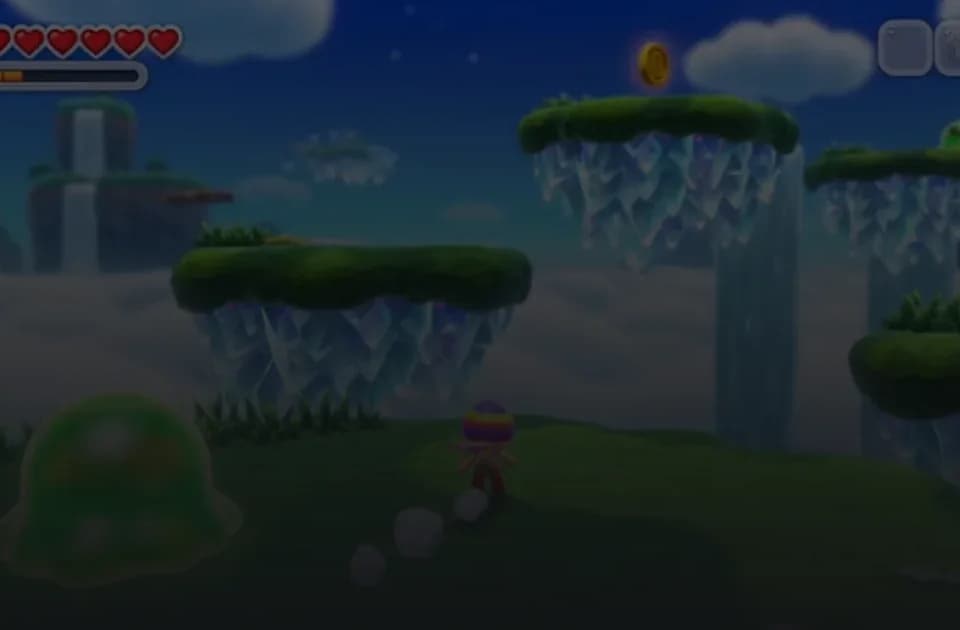
SoonLab turns a written game idea into a playable browser prototype. The publisher describes a no-code process: specify the game, generate a version, play it and request changes before sharing. Its public gallery includes racing, puzzle and action examples that show the kinds of projects the service promotes.
Describe the rules a player should be able to test
The site's prompt guidance asks for genre, goal, controls, characters and style. Those details are more useful than a broad request for a fun game. For a small first project, describe a clear objective and the actions a player needs to reach it. Specify how the game should respond to success or failure so you have concrete behavior to inspect.
SoonLab says creators can test the generated game in a supported browser and refine it with further instructions. Its examples include a car obstacle course with moving barriers and a mystery room where players collect keys and follow clues. Read these as publisher examples, not a guarantee that a new prompt will produce an equally complete result.
A playtest should cover the controls and game logic before visual polish. Try restarting, losing and completing the objective. Ask for a specific correction where the game differs from the brief, then test that behavior again. A recognizable scene is not enough if the player cannot finish the intended task.
Keep the prototype small enough to review
The publisher positions SoonLab for browser-based prototyping and lists styles including platformers, racing, simulation and role-playing games. It says follow-up instructions can adjust difficulty, visuals, controls and logic. Use that editing loop to improve one playable concept before adding more systems.
The page advertises generation in minutes and includes creator testimonials. Franklin has not measured generation time or verified those experiences. Complexity and the number of revisions can change how long it takes to obtain a version you would share. The inspected page also does not establish source-code export or a path into a conventional game engine. Check those requirements if you expect to continue development outside the service.
Check the points charge before each creation
SoonLab says it deducts points before a creation using the selected model's starting price, with the actual amount potentially varying by generation difficulty. Its FAQ says initial use depends on credits available to the account, and further limits depend on the current plan. This is not a promise of unlimited free generation.
Review the displayed charge before a larger attempt and leave room for corrections in your budget. Share the game after testing it in the browser and confirming the applicable publishing and asset terms. That keeps the useful outcome, a playable idea others can try, tied to the version you have reviewed.