
Protex
Protex AI analyzes physical activity at industrial sites by combining existing camera feeds with enterprise data. The Protex AI site describes safety detection and operational analysis for environments such as warehouses, factories, and logistics facilities.
Cameras and site context
Protex connects to existing CCTV infrastructure through RTSP. The publisher says an on-site edge device processes the video, while selected encrypted event clips and metadata go to the cloud platform. It lists connections to warehouse, manufacturing, transport, maintenance, and EHS systems so teams can interpret camera observations alongside operational records.
The site describes detections for near misses, PPE compliance, ergonomic risks, and vehicle movement. Environmental detections include spills, obstructed walkways, blocked emergency exits, and conveyor package jams. Configuration controls cover zones, thresholds, dwell times, and object sensitivity, with a calibration period for the facility's lighting, camera angles, and layout.
Reviewing events and acting
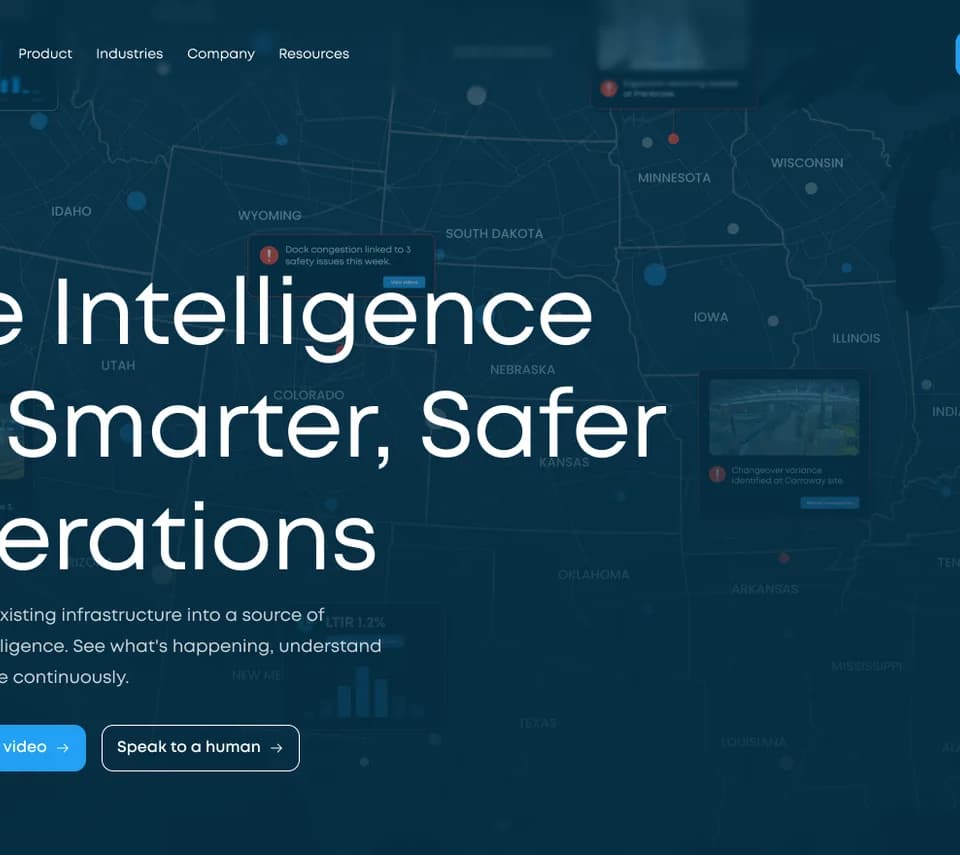
Teams can use camera-, shift-, and event-level dashboards, heatmaps, and trend reports. Protex Intelligence supports natural-language queries and exports to PPT, PDF, or custom formats. The platform also describes automated notifications, root-cause analysis, and recommendations based on patterns across cameras and connected systems.
For detected hazards, the publisher says the event includes a video clip and requires a documented corrective action before it can be marked resolved. This links detection with the team's response rather than leaving the record at the alert stage.
Deployment and privacy choices
Protex lists facial blurring, full-body blurring, silhouette ghosting, and a videoless mode. It says raw CCTV footage stays on the local network, and relevant clips are anonymized before appearing in cloud dashboards. These are the publisher's deployment and privacy descriptions; the right configuration still depends on how the facility uses its cameras.
The captured page invites prospective customers to speak with the team or watch a demo, but does not give subscription prices. Its customer outcome figures describe individual deployments and do not establish a result for a new site. Discuss the camera layout, system connections, and detection requirements with the publisher when assessing deployment.