
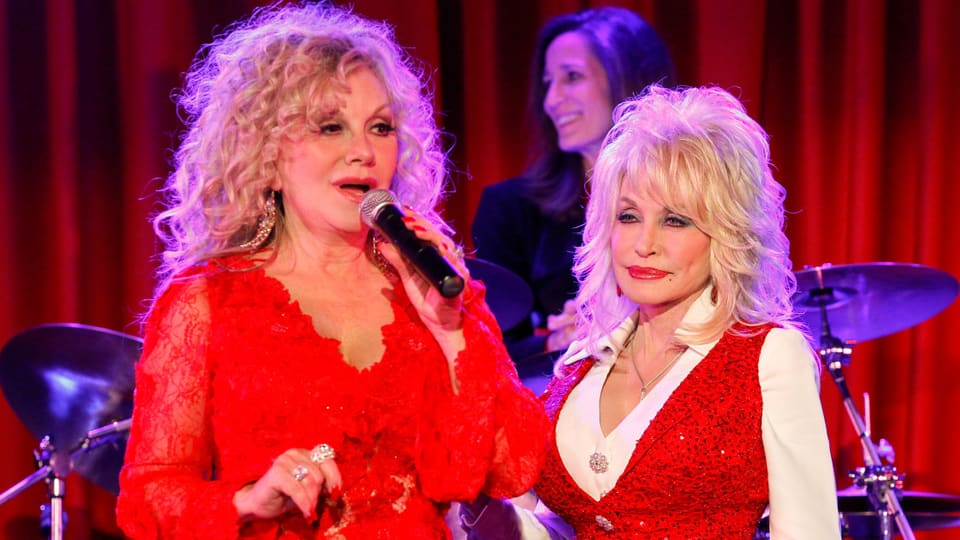
Dolly Parton’s sister slams ‘fake AI garbage’ flooding the internet since icon’s death
Stella Parton has condemned AI-generated images and videos portraying her sister, Dolly Parton, after the country music icon died at 80 following a brief battle with cancer. In an Instagram statement shared Friday, Stella said the volume of artificial intelligence content and other online posts had made the family’s grief more difficult to process. as reported by Nbcnews “There is a tremendous amount of AI and endless garbage being posted everyday and it’s been challenging to absorb and or ignore,” Stella wrote.
AI content adds to the family’s grief
Stella, 77, said her family had been exposed to intense pressure and what she described as insensitivity from strangers because their lives had been lived publicly. She also criticized people who exploit loss and tragedy online, saying they would eventually move on to “the next stampede of endless misinformation.”
Her comments were her most extensive response to the online reaction since Dolly Parton’s death a little more than a week earlier. Stella did not identify specific accounts or explain how widely the AI-generated material had circulated. The statement referred broadly to fake images and videos of Dolly appearing online.
The dispute highlights a difficult distinction for grieving families: posts may appear to honor a public figure while still using artificial intelligence to create material that the person never made or approved. Stella described the content as “fake AI garbage,” grouping it with what she called snarky tweets and other insensitive commentary. The image generation story also surfaces in Meta pulls Instagram AI image generator..., adding another angle.
A plea for compassion over online performance
Alongside her criticism, Stella thanked fans for their “genuine” support. She wrote that Dolly would have been “surprised and delighted” by the love shown to her family and to the singer herself.
“She loved her fans and the public in general,” Stella wrote. She added that Dolly often chose not to express opinions publicly about politics, religion and people in the public eye.
Stella also acknowledged that mourning would look different for each member of the family. “We will be okay in time but each of us will grieve in our own personal way,” she wrote, adding that her family was not different from anyone else in experiencing pain and loss.
Dolly Parton’s legacy is now part of the appeal
Stella asked fans to show greater compassion and wisdom, urging them to use Dolly’s life as an example of tolerance and respect. For a practical look at image generation, Audio Transcription is a useful comparison.
“It’s not about the most clever comments, fake AI garbage or snarky tweets,” she wrote. “At the end of the day or the end of a life, how will you feel about yourself?”
Stella is a country singer and songwriter in her own right. One of her several hit songs from the 1970s, “I Want to Hold You in My Dreams Tonight,” was released in 1975. She is one of Dolly Parton’s 11 siblings.
For now, the family’s public message is less about removing a particular piece of content than about how people respond to grief online. Stella’s statement asks fans to distinguish genuine support from fabricated media and attention-seeking commentary as tributes continue to circulate.