
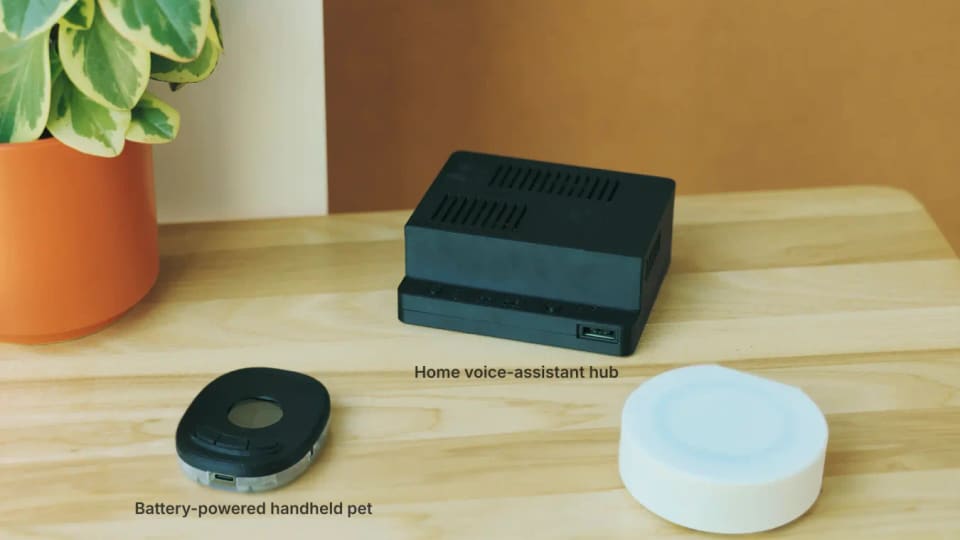
Anthropic said on November 9 that Claude Fable 5.2 designed three electronic devices in collaboration with Diode Computers. The electronics design experiment covered a USB speakerphone, a voice-assistant hub and a handheld virtual pet. Human engineers turned the designs into prototypes, which Anthropic says worked without changes to the circuitry.
What changed from the earlier circuit experiments?
Anthropic says the earlier models could read some component documentation but struggled to place parts and route connections reliably. In the new exercise, Claude used geometric reasoning to lay out the circuit board and revised earlier choices when they blocked a later step. The company describes the shift as progress from individual circuit tasks to coordinating several related design decisions.
How did the model handle manufacturing constraints?
For the speakerphone, the model used a 3D representation to check that the board fit the enclosure. It found that the mute switch blocked straight insertion and calculated that tilting the board by about 25 degrees would make assembly possible. It added the tilt to the assembly instructions. The example matters because the board and case could each look acceptable in isolation while still being difficult to put together.
The model also consulted part datasheets and wrote firmware. Those are separate checks from laying out copper tracks. A viable design has to keep the circuit, physical enclosure and software working together.
What do the results say about using it?
On Diode's internal PCB Gym, Fable 5.2 scored 69%, compared with 25% for Fable 5. The benchmark measures placement and routing on boards with the original layouts removed. It does not measure field reliability of a finished device.
The three builds show that the workflow can produce working prototypes under the reported conditions. They were research demonstrations with human manufacturing and assembly, not announced products. Engineers assessing the workflow can use the documented fit and routing cases to decide what independent checks a model-generated design would still need.
