
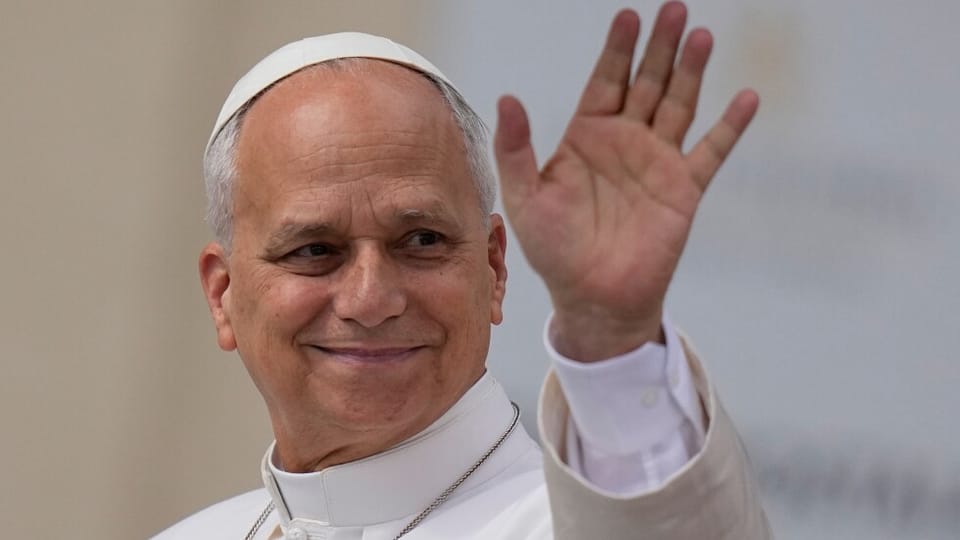
VATICAN CITY — Pope Leo XIV has established an in-house study group dedicated to artificial intelligence, signaling a major focus on the technology as he prepares to release his first encyclical. The document is expected to advocate for an ethics-based approach to AI that prioritizes human dignity, labor rights, and global peace.
The Vatican announced the formation of the study group in response to the rapid acceleration of AI and its potential impact on humanity. Pope Leo, a math major who has previously cautioned priests against using AI to draft homilies, views the current technological shift as posing existential questions similar to those raised by the Industrial Revolution.
A Foundation for Modern Ethics
The upcoming encyclical is timed to coincide with the 135th anniversary of Pope Leo XIII’s landmark document, Rerum Novarum, which shaped modern Catholic social teaching regarding workers' rights and the limits of capitalism. By framing the AI debate within this tradition, the Vatican aims to provide a moral compass for how society integrates these new tools.
Experts suggest the Church is positioning itself as a significant voice in the global conversation. Meghan Sullivan, a philosophy professor at the University of Notre Dame, noted that the Pope is likely to be a forceful advocate for human dignity. The Vatican has already offered ethical guidelines for AI in sectors such as healthcare, education, and warfare, emphasizing that technology should complement rather than replace human intelligence.
Tensions Over Global AI Strategy
The public release of the encyclical, anticipated in the coming weeks, may create friction with the Trump administration. While the Vatican advocates for international regulatory efforts to ensure AI remains human-centric, the U.S. government has prioritized rapid development, removing bureaucratic hurdles and rejecting international efforts to rein in the technology.
This divergence in priorities comes as President Donald Trump has engaged in high-level AI business discussions, including travel with figures such as Elon Musk and Nvidia CEO Jensen Huang. The Vatican remains concerned about the broader implications of this race, warning of the environmental costs associated with the massive energy and water requirements of AI data centers.
Concerns Regarding Truth and Conflict
Beyond labor and economic issues, Pope Leo has expressed deep concern regarding the impact of generative AI on truth and global security. The Pope has specifically highlighted the dangers of deepfake imagery and misinformation, which he views as a threat to the search for truth.
Furthermore, the Pope has called for monitoring the use of automated weapons systems in conflicts, including those in Ukraine and the Middle East. He has described the evolution of war through these new technologies as a "spiral of annihilation," urging that decisions regarding the use of lethal force must remain under human control.