
Timi
Timi
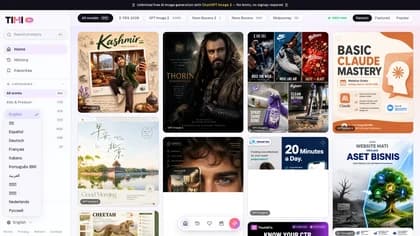
Timi is an image prompt library and gallery. Its official site presents free Nano Banana and ChatGPT image prompts, templates, and examples, and describes image generation with one click. The gallery also includes examples associated with Midjourney and GPT Image.
What it does
The gallery organizes image prompts around creative tasks, including:
- Photo transformations and editorial portraits
- Product photography, packaging, and advertising visuals
- Infographics, diagrams, maps, and identity boards
- Logos, typography, posters, and landing-page concepts
- Travel artwork, food photography, character design, and 3D renders
- Multi-image and social-media compositions
Many entries use placeholders such as [SUBJECT], [CITY NAME], [BRAND], or [PRODUCT], allowing users to adapt a template to a different brief. Some prompts specify details such as aspect ratio, camera lens, aperture, depth of field, lighting, composition, resolution, or output structure.
The site describes itself as an “Image Prompt Library” and labels the collection as free. The official gallery is available at timi.ai.
Examples and workflow
Users can browse the gallery, select an example, and open its individual prompt page. They may then identify variable fields—such as the subject, city, brand, count, or uploaded reference image—and adapt the prompt for their chosen image-generation workflow.
Several examples describe image-to-image tasks, such as transforming an uploaded photo, logo, or movie poster while preserving or reinterpreting selected characteristics. Others are text-to-image templates that define a composition from scratch. The gallery also displays creator names and engagement counts alongside many entries.
Examples include prompts for a premium product setup, a technical infographic, an Instagram feed for a consistent character, and a cinematic character identity board. These templates show how prompts can specify subject matter, layout, visual style, branding context, and consistency requirements.
Coverage
Timi’s gallery covers everyday creative needs—such as food photos and social posts—as well as formats including editorial infographics, product campaigns, travel maps, and brand presentations. Placeholder-driven templates make examples easier to adapt than fixed, one-off prompts.
The supplied evidence does not establish particular model-version support, integrations, collaboration features, or paid plans. Results will depend on the selected workflow, supplied references, and how each template is adapted. Users should also review the rights and privacy implications of uploading images or reusing publicly displayed prompts.