
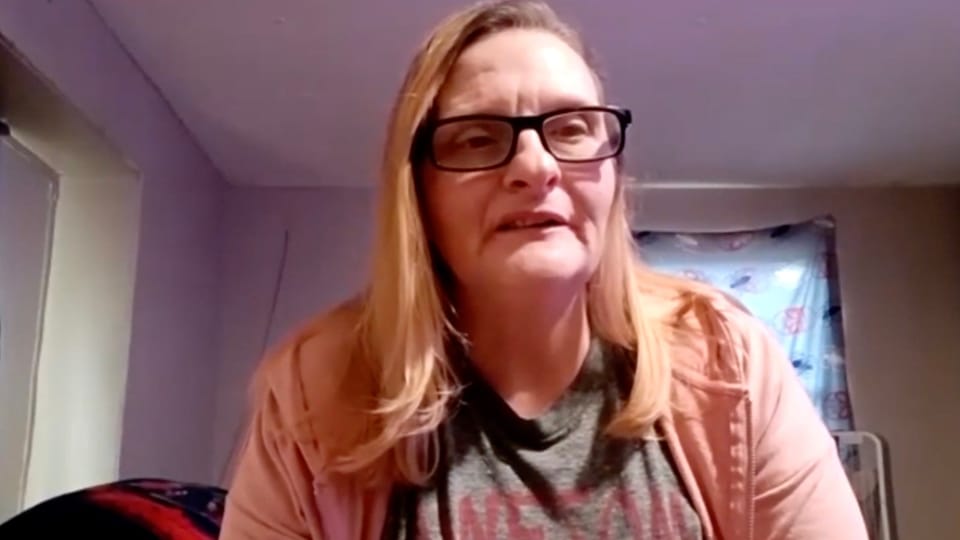
A Tennessee grandmother who says an AI-assisted facial recognition lead wrongly connected her to a series of North Dakota bank thefts is suing the city of Fargo and a police detective for $10 million.
Angela Lipps, 50, was arrested in July 2025 while babysitting her neighbor’s children and spent months in custody before being extradited to North Dakota, according to her federal complaint. The charges were later dropped after Lipps and her attorney provided bank records showing she was in Tennessee when the crimes occurred. as reported by Abcnews ## How the identification went wrong
The case began when a West Fargo Police Department investigator used facial recognition software during an investigation into bank thefts, the complaint alleges. The system identified a social media photo of Lipps as a potential lead.
But the image used as the facial-recognition source was reportedly a fake identification card carried by a female suspect seen in surveillance footage at multiple Fargo-area banks. The complaint says Lipps did not resemble the person captured on video, citing differences in build, facial features and tattoos. It also says Lipps had never been to North Dakota before her arrest. The image generation story also surfaces in LITEON to Build 919 Million AI..., adding another angle.
The complaint does not accuse Fargo detective Lucas Heck of personally operating the facial-recognition system. It alleges, however, that after receiving Lipps’ name as a lead, Heck failed to conduct a sufficiently thorough investigation or establish probable cause before seeking an arrest warrant.
Six months in custody
Lipps was initially detained in Carter County, Tennessee, where alleged probation violations connected to unrelated criminal conduct were being resolved, according to the complaint. She was later taken to North Dakota and held on a $100,000 bond that she could not afford.
The lawsuit says Lipps experienced traumatic jail conditions, including being separated from her family during birthdays and holidays. It also alleges she was denied basic care, including her medications and dentures.
Her charges were ultimately dismissed, and she was released on Christmas Eve. The complaint says that by then she had lost her residence, car and other personal property. Lipps also said she remains afraid she could be abducted again despite being innocent. For a practical look at image generation, Audio Transcription is a useful comparison.
Her attorney, Eric Rice, told ABC Nashville affiliate WKRN that the $10 million demand reflects the harm caused by the arrest and detention.
Police acknowledge investigation errors
Fargo Police Chief Dave Zibolski addressed the case after it received national attention, saying the department had identified “a couple of errors” in the bank-theft investigation.
According to Zibolski, Fargo detectives mistakenly assumed that surveillance images from the bank thefts had been included in the facial-recognition process. He said West Fargo police had actually identified Lipps through a photo from the suspect’s fake ID, not necessarily through images showing the person committing the thefts. The policy regulation story also surfaces in Sam Altman Declares AI Singularity Has..., adding another angle.
“As you can imagine, the photo on the fake ID that I use doesn’t necessarily mean that I am the person that’s in that fake ID,” Zibolski said.
He said the Fargo Police Department did not have its own facial-recognition technology and would typically submit unknown people to the North Dakota State and Local Intelligence Center. Zibolski also said use of the West Fargo system would not have been allowed by Fargo police and has since been prohibited.
The lawsuit alleges that Fargo police failed to properly train or supervise officers using facial-recognition technology. The city declined to comment on the pending litigation, and ABC News said it was unable to reach Heck for comment.