
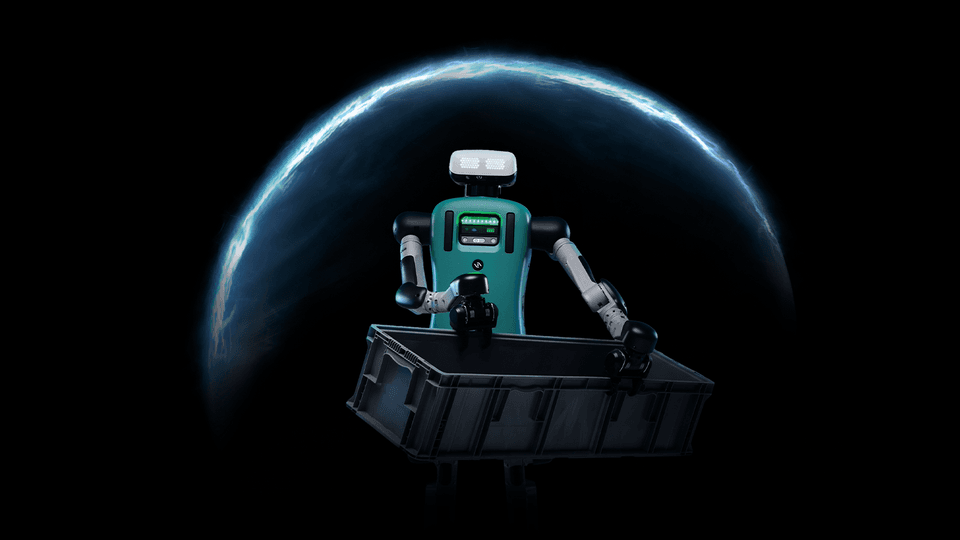
NVIDIA Announces Halos for Robotics, the Industry’s First Full-Stack Safety System for Physical AI
NVIDIA has announced NVIDIA Halos for Robotics, marking the introduction of the industry’s first full-stack, comprehensive safety system designed for robotics and physical AI. This new system is engineered to unify AI compute and safety, providing a foundational framework for the development and deployment of autonomous machines.
A Unified Approach to Safety and AI
The introduction of NVIDIA Halos for Robotics addresses the critical need for integrated safety protocols within the rapidly evolving field of physical AI. By unifying AI compute and safety, the system aims to provide a cohesive environment for robotics developers. This full-stack approach ensures that safety measures are embedded directly into the computational architecture, rather than being treated as an external or secondary consideration.
Advancing Physical AI Infrastructure
As the robotics industry continues to advance, the demand for robust safety systems has become increasingly prominent. NVIDIA Halos for Robotics serves as a comprehensive solution designed to meet these requirements, supporting the complex needs of modern physical AI applications. By providing a unified system, NVIDIA enables developers to build safer, more reliable autonomous systems that can operate effectively in diverse environments.
European Supercomputing Expansion
In a separate development, Europe has unveiled a record 35 new NVIDIA AI supercomputers. This expansion of high-performance computing infrastructure highlights the growing scale of AI research and development capabilities across the region. These supercomputers are poised to support a wide range of computational tasks, further strengthening the technological landscape in which physical AI and robotics innovations are being pursued.