
Claude Fable 5.2 and Mythos 5.2 lower API prices
Claude Fable 5.2 and Mythos 5.2 share an underlying model. Anthropic lowered standard token rates and kept Mythos behind its verification programs.
Latest AI news, product launches, research breakthroughs, startup moves, and industry analysis from across the artificial intelligence ecosystem.
Claude Fable 5.2 and Mythos 5.2 share an underlying model. Anthropic lowered standard token rates and kept Mythos behind its verification programs.
Sophos researchers tested a two-stage way to flag mismatches between agent skill instructions and helper code, using a decoder and a small language model.

Hartpunkt reports a proposed €50 million, five-year BWI framework for analyzing public internet material. The report describes a plan awaiting review.

Google AI Studio now lets builders prototype with Maps, Places, Routes and Environment APIs. The sandbox allows 100 calls per API per day before billing.

OpenAI adds ChatGPT Enterprise to AWS Marketplace, letting organizations use AWS purchasing and apply eligible spend toward their existing AWS commitments.
Automattic’s Spacefast hosts apps from existing AI agents with private previews, versioned deploys and a SQL database. Built-in app sign-in is planned.

Meta offers Muse Ember in Muse Code and the Meta Model API for tool calls, coding and document work, with separate rates above 200,000 input tokens.

OpenAI’s Control Room checks research inference requests and can stop output within 35 seconds of a stop instruction. The service is internal to research.

Anthropic and Diode built three devices designed by Claude Fable 5.2, testing circuit layout, enclosure fit and how the model revised its own work.

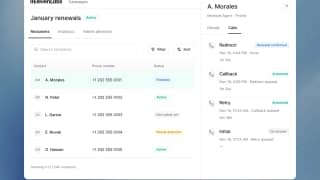
ElevenLabs adds calling windows, retry limits and per-contact timelines to ElevenAgents campaigns, with phone and WhatsApp supported at launch.
Follow the AI News RSS feed or sign up for the free weekly newsletter. Each story opens with key takeaways, so you can catch up on a week in a few minutes.
Use the topic filter to narrow the archive, then open a story for its full explanation and source links.