

PixAI: AI Anime Art Generator
PixAI is a browser-based image generator focused on anime, manga and illustration, with image editing and community-shared models and LoRAs.
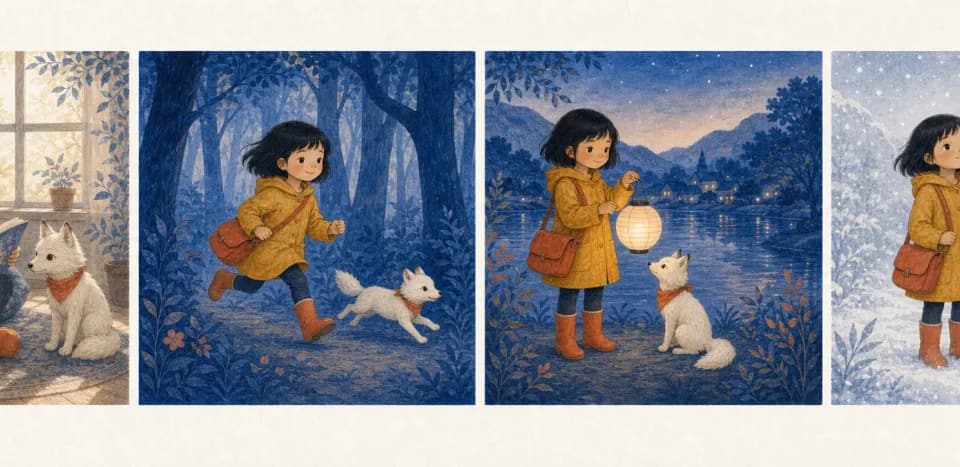
Consistent Character AI uses a reference image to generate character variations across poses and scenes, with an approval-based agent and paid credit packs.
Consistent Character AI generates variations of a character from one reference image. The publisher targets storybook illustrations, comics, game character sheets, and marketing mascots, where keeping a recognizable identity across several images matters more than creating a single attractive portrait.
The features page recommends a front-facing, sharp, well-lit reference without heavy filters or an obstructed face. Keep key attributes such as hair and outfit stable while changing the pose, expression, or setting in your prompt. That gives the service clearer guidance about what should remain recognizable.
The site advertises perfect character consistency, but its own FAQ advises reducing drastic style changes if identity drifts. Compare the face and identifying details across the full set before using the images together. A small change in rendering may be acceptable for concept exploration and distracting in a picture book whose character appears on every page.
Batch generation and style transfer are advertised features, along with output up to 4K. Check the selected settings and plan before treating that resolution as available for every generation. Game concepts and turnarounds still need review before becoming production assets; a generated reference sheet does not establish animation-ready geometry or a working rig.
The homepage's conversational agent describes planning shots and generating images after you approve. It says chatting is free and generation happens only with approval. Review the proposed scenes before authorizing image creation, especially if you need a specific sequence or want to limit credit spending.
For a brand mascot, specify the recognizable features and permitted variations. For a personal photo, obtain the subject's consent and avoid presenting generated situations as real photographs of events. The application's consistency goal does not resolve likeness or intellectual-property rights.
The pricing page displays one-time credit packs: fifty credits for $9.99, 400 for $34.90, and 1,200 for $89.90. It states a twelve-month validity period and no automatic renewal for those packs. The page also offers monthly and yearly subscriptions, so confirm the selected purchase type at checkout.
The about page says one credit generates one image, while the Starter pack advertises Pro features and commercial use while credits remain active. Review the current license and generation settings before client work rather than treating a credit purchase as clearance for every input or output.
The publisher says uploaded reference photos are deleted within 24 hours with no backups. That is its stated retention policy, not an independent privacy guarantee. Keep your permitted source reference and finished images in your own storage if you need them for a continuing project.
Before you try it
The publisher recommends a clear, front-facing, well-lit image with an unobstructed face. Keep core identity details stable while changing the pose, expression or scene. If identity drifts, simplify the prompt and reduce large style changes.
Official sourceNo. New credit packs and newly granted yearly credits do not expire; monthly credits expire at the end of the billing cycle. Older credit batches retain their recorded expiry dates, so check the history for each batch.
Official sourceYes. Credit packs are one-time purchases available to everyone and stack on top of subscription credits. The Generate button shows the action's cost before running, and failed generations return credits automatically.
Official sourcePixAI is a browser-based image generator focused on anime, manga and illustration, with image editing and community-shared models and LoRAs.
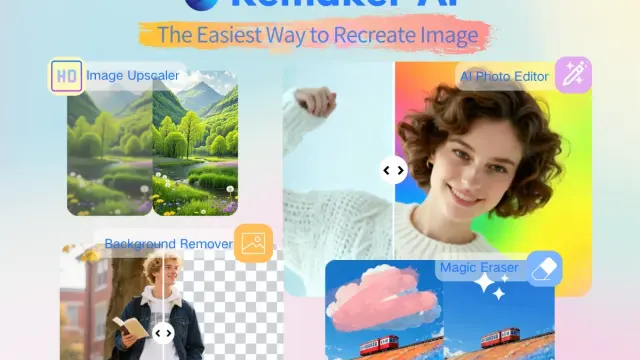
Remaker provides browser image editing and generation tools, with prompt-based edits, brush-selected object changes, and one-time credit purchases.

Reve2img is a browser-based AI image generation and editing service with reference-image workflows, configurable outputs, 4K export claims, and an asynchronous multi-model API.
Free AI Generator keeps image generation, prompt editing, background changes and upscaling on one canvas, with a limited signup-credit allowance.

AIClothSwap creates AI outfit swaps and virtual try-ons from a person photo plus garment references, with free daily credits for eligible signed-in accounts.

SeeVido offers prompt-, image- and reference-led video generation with image effects and credit packs that have a published 100-day validity period.