


kling3.io
Kling3.io is an AI video studio for text- and image-based generation, camera and motion control, synchronized audio, and multimodal editing. Model-specific options include Draft Mode, high-resolution output, and...
Vidu Q3 is a multimodal video model for up to 16-second clips with synchronized voice and sound, character consistency, and cinematic camera control.
Vidu Q3 is a multimodal generative video model focused on longer narrative clips, synchronized audio, character continuity, and cinematic direction. The official Vidu Q3 page presents it as a model for producing up to 16-second animated or realistic video sequences with integrated voice and sound.
Vidu Q3 generates video with audio and text as part of a single workflow. Its advertised capabilities include high-definition output up to 1080p, native clips of up to 16 seconds, character reference locking, voice consistency, and automated cinematic camera movements. The model is particularly positioned for anime and 3D animation, while also supporting realistic video styles.
The available interface includes an image-to-video workflow: users can upload a JPEG or PNG image up to 20 MB and generate an animated clip from it. The product page also describes narrative prompts that can guide framing, camera movement, character behavior, voice, music, and sound effects.
Vidu Q3 is aimed at creators making animated shorts, anime scenes, serialized character content, storyboards, and cinematic social video. It may be especially relevant to teams that need recurring characters to retain a stable appearance and voice across multiple scenes. Its native audio focus also suits creators who want dialogue and sound design generated alongside the video rather than added in a separate dubbing stage. For a similar video-and-audio workflow, MuseVideo also combines short video generation with native audio direction, though the supplied information does not establish equivalent duration or consistency features.
A typical workflow can start with a reference image, followed by a prompt describing the action, style, shot composition, and sound. The generated result can then serve as a complete short scene or as one component of a longer production. Reference images and structured prompts are described as the main mechanisms for carrying character traits across generations.
The product’s stated strengths are its 16-second native duration, anime-oriented styling, synchronized audio, and emphasis on same-face and same-voice continuity. However, the website describes Q3 integration as being in its final stages and says priority access is connected to using the platform’s Vidu Q2 model and joining its waitlist. The page therefore does not establish immediate general availability of the Q3 API. Output quality, consistency, and access conditions may also depend on the platform plan and generation availability.
Before you try it
The page mixes future-facing language about features being on the horizon with claims that they work today. That inconsistency does not establish current runtime availability or independently tested character and voice consistency. Verify the actual controls and a sample result before relying on the advertised duration, resolution or multishot behavior.
Official sourceThe captured image-to-video control lists JPEG, PNG and JPG files up to 20 MB. The article advertises cinematic camera and audio capabilities, but those claims do not document every selectable runtime setting. Start with a suitable source image and confirm the visible output settings before spending credits.
Official sourceThe pricing card pairs its Free label with 20 points for signing up, selected models, watermarked output and non-commercial use. The captured text does not specify a recurring free refill or confirm that this exact model is among those selected models. Paid plans separately advertise monthly credit refreshes and wider model access.
Official sourceKling3.io is an AI video studio for text- and image-based generation, camera and motion control, synchronized audio, and multimodal editing. Model-specific options include Draft Mode, high-resolution output, and...

Wobbio builds and hosts websites from prompts, with draft editing, domain email, and optional backend resources.

CAMB.AI offers live and on-demand dubbing, speech translation, synthetic voice tools, and image translation for multilingual content.

FastScribe transforms course audio, video, PDFs, Word files, and YouTube links into notes, mind maps, quizzes, summaries, and AI-assisted study materials.

KikiVoice is a web-based AI voice cloning tool that generates multilingual speech from short, authorized voice recordings without requiring sign-up.
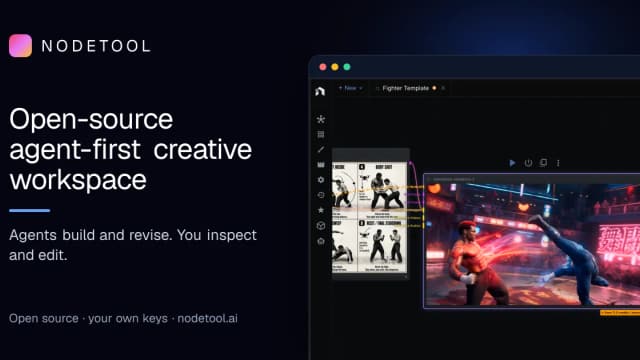
NodeTool combines agents, editable creative projects, and reusable node workflows in a free desktop studio, with a browser edition in alpha.